

Leave Your Message
In the modern industrial landscape, TIG (Tungsten Inert Gas) and MIG (Metal Inert Gas) welding technologies have become the backbone of offshore marine platform construction and shipyard engineering. As global energy demands push exploration into deeper and harsher waters, the integrity of structural welds is no longer just a matter of quality—it is a matter of survival. Marine environments present unique challenges: extreme humidity, high salinity, corrosive salt spray, and the relentless mechanical stress of ocean currents.
The global offshore welding market is currently experiencing a transformative phase. With the resurgence of the oil and gas sector and the exponential growth of offshore wind farms, the demand for specialized welding equipment has reached an all-time high. Shipyards are no longer just building vessels; they are constructing complex floating cities, FPSOs (Floating Production Storage and Offloading), and massive offshore substations. This industrial shift requires machines that can handle exotic alloys like Duplex stainless steel, Super Duplex, and high-strength carbon steels with absolute precision.
Weld Integrity required for deep-sea pressure vessels.
Real-time monitoring for automatic welding robots.
Operational capability in extreme weather conditions.
In shipyard engineering, the application of TIG and MIG welding is multifaceted. MIG welding (specifically GMAW and FCAW) is the workhorse for hull construction and large-scale structural assembly due to its high deposition rates and efficiency. However, for the intricate piping systems that carry high-pressure steam, fuel, and chemicals, TIG welding is indispensable. The "Root Pass" in critical pipe joints often requires the precision of TIG to ensure a smooth, defect-free internal bead, which is then filled using high-speed MIG processes. This hybrid approach optimizes both structural strength and production speed.
DENOH Seimitsu Electric Appliance (Beijing) Co., Ltd. is a professional high-tech enterprise integrating independent R&D, sophisticated manufacturing, global sales and full-process professional services of high-end pipeline welding equipment.
With more than 20 years of deep cultivation and continuous innovation in the pipeline welding industry, we have forged a solid industry foundation and built an unshakable market position through decades of practical experience and technological breakthroughs. Over the past 20-plus years, we have kept pace with the development of the global pipeline engineering industry, constantly optimizing technical solutions and upgrading product systems, witnessing and promoting the iterative upgrading of pipeline welding equipment technology.
The core strength of the company lies in its professional and elite team composed of senior industry experts, professional R&D engineers, skilled technical workers and efficient service personnel. Our R&D team gathers backbones with decades of experience in pipeline welding equipment research and development, many of whom have participated in the research and development of key national engineering supporting welding equipment and possess profound theoretical knowledge and rich practical experience.
The future of Tig Mig welding machines in the offshore sector is inextricably linked with automation. The industry is moving away from manual welding in hazardous areas toward automatic welding robots. These robots, such as our DW-XW series, utilize laser tracking and AI-based vision systems to compensate for fit-up irregularities in real-time. This not only increases safety by removing human operators from confined or high-altitude spaces on marine platforms but also ensures a level of consistency that is humanly impossible to maintain over 12-hour shifts.
Offshore pipeline construction (subsea pipelines) requires specialized internal and external welding systems. The development of battery-powered flexible internal welding machines represents a significant leap forward. These systems operate independently inside the pipe, performing high-precision welds without the need for umbilical cables that can become tangled or damaged. In the context of Shipyard Engineering, the use of sleeve-type automatic welding machines has revolutionized the way modular pipe sections are joined, reducing the time spent on "fit-up" and increasing the throughput of the pipe shop.
Modern engine-driven welding machines are now designed with "Constant Speed" and eco-friendly diesel generators. In the middle of the ocean, fuel efficiency is critical. Every liter of diesel saved by a high-efficiency inverter-based welding power source translates to lower operational costs and a smaller carbon footprint for the offshore project. Our HW series of multi-function welders are engineered to provide maximum arc stability while minimizing fuel consumption, making them the preferred choice for long-term offshore deployments.
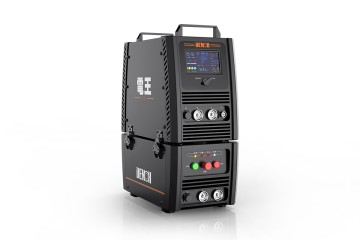 HW500E Multi-Function Diesel Welder for Marine Platforms
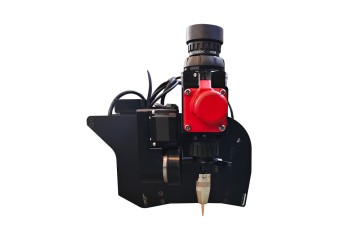 DW-XW-I Shipyard Pipeline Automatic Welding Robot
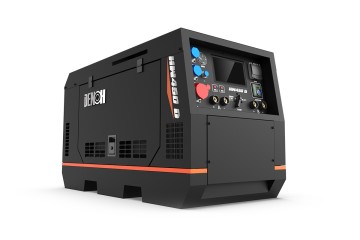 HW450D Heavy-Duty Engine Welding Machine
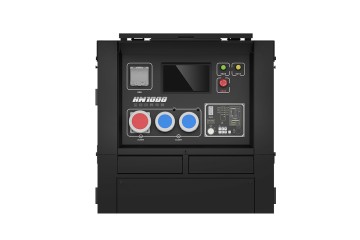 HW1000 Constant Speed Marine Diesel Welder Generator
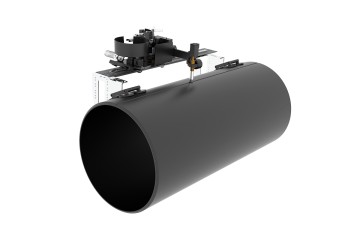 DW-BW-I Sleeve Type Shipyard Automatic Welding Machine
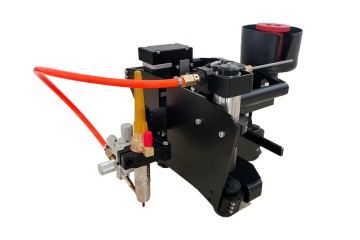 DW-TW-I Argon Arc (TIG) Marine Pipeline Automatic Welder
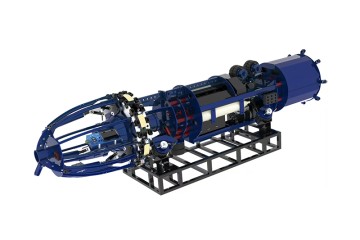 DW-EH Series Battery Flexible Internal Welding Machine
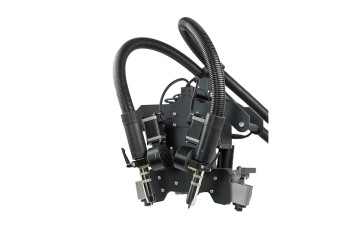 DW-EW-II Dual Torch External Marine Welding Machine
The complexities of Offshore Marine Platform And Shipyard Engineering demand more than just equipment; they demand a comprehensive welding solution. From the initial R&D phase to the final weld on a deep-sea pipeline, DENOH Seimitsu is committed to providing the technology that drives the industry forward. Our Tig Mig welding machines are not just tools; they are the result of 20 years of engineering excellence, designed to withstand the toughest environments on Earth and deliver results that exceed international standards.
By breaking through foreign technical monopolies and realizing the localization of high-end equipment, we ensure that our global partners have access to the most advanced, reliable, and efficient welding technology available today. Whether you are constructing a new generation of container ships or maintaining a vital offshore oil rig, our team is ready to provide the professional strength and innovative spirit required for success.