

Leave Your Message
In the rapidly evolving landscape of global energy infrastructure, the demand for sustainable and efficient construction methods has never been higher. As nations strive to meet stringent net-zero targets, the pipeline industry is undergoing a paradigm shift. Central to this transformation is the integration of TIG (Tungsten Inert Gas) and MIG (Metal Inert Gas) welding processes within green battery-powered, zero-emission internal pipe welding systems. This technological synergy is not merely an incremental improvement but a fundamental redesign of how we build the arteries of modern civilization.
Industry Insight: Traditional pipeline welding relies heavily on diesel-powered generators, contributing significantly to the carbon footprint of oil and gas projects. The move toward battery-powered internal welders reduces on-site emissions to zero, aligning with global ESG (Environmental, Social, and Governance) standards.
The commercial landscape for pipeline welding is currently dominated by the need for speed, precision, and environmental compliance. Major energy players are increasingly mandating "Green Construction" protocols. Battery-powered internal welding machines, such as the DW-EH Series, have moved from niche prototypes to industrial mainstays. These machines eliminate the need for long umbilical cables and noisy, polluting generators, allowing for a cleaner work environment and significantly reduced logistical complexity in remote areas like deserts, mountains, and offshore platforms.
When discussing internal pipe welding, the choice between TIG and MIG is governed by the specific requirements of the project. TIG welding is favored for its unparalleled precision and high-quality root passes, especially in critical applications like hydrogen pipelines where weld integrity is non-negotiable. On the other hand, MIG welding (and its variant MAG) offers significantly higher deposition rates and travel speeds, making it the go-to choice for large-diameter oil and gas pipelines where productivity is the primary driver.
Modern battery-powered internal welders are now being designed as multi-process platforms. These systems can toggle between TIG for the root and MIG for the hot passes, all while drawing power from high-capacity lithium-ion battery packs that provide enough energy for a full shift of continuous operation.
With more than 20 years of industry accumulation, we have accumulated profound technical expertise and strictly adhere to high-standard production norms for battery-integrated welding.
We have built a comprehensive and rigorous whole-process quality control system to ensure the excellent performance and stable quality of every zero-emission product.
Covering pre-sales consultation, on-site guidance and after-sales support, we form a well-laid, efficient and reliable global product supply network for green energy projects.
The future of internal pipe welding is being written by three major trends: Electrification, Automation, and Intelligence (AI). As battery technology advances, we are seeing higher energy densities and faster charging cycles, making battery-powered welders even more competitive against traditional diesel units.
Modern internal welders are no longer just mechanical tools; they are sophisticated robots. Integration of AI allows for real-time weld pool analysis. If the TIG arc wanders or the MIG wire feed fluctuates, the system can self-correct in milliseconds. This level of autonomy is crucial for internal welding where human intervention is physically impossible once the machine is inside the pipe.
As the world pivots toward hydrogen as a clean energy carrier, the requirements for pipeline welding are becoming stricter. Hydrogen embrittlement is a major concern. Battery-powered TIG welding provides the clean, controlled heat input required to create welds that can withstand the unique stresses of high-pressure hydrogen transport.
To solve the "downtime" issue, manufacturers are developing modular, hot-swappable battery systems. This allows the internal welding robot to continue working while depleted batteries are charged via solar or wind power stations at the pipeline's staging area, creating a truly zero-emission ecosystem.
Deep Application Scenarios: In urban municipal engineering, noise pollution is a critical factor. Battery-powered welders operate almost silently, allowing for 24-hour construction in residential areas without violating local ordinances, thereby shortening project timelines by up to 30%.
When comparing traditional welding setups to Green Battery-powered Zero-emission Internal Pipe Welding, the advantages become clear across several metrics:
Relying on reliable product strength, professional and efficient full-process services, as well as the team's dedicated craftsmanship and 20 years of brand reputation, we have established long-term stable cooperation with leading enterprises in domestic oil and gas long-distance pipelines, municipal engineering, new energy infrastructure and other key fields.
Adhering to technological innovation as the core driving force and ingenuity quality as the foundation, we are committed to providing global customers with customized one-stop pipeline welding solutions, and continuously contributing to the high-quality and sustainable development of energy infrastructure projects at home and abroad.
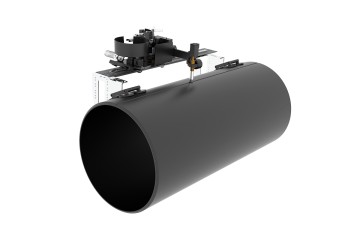 DW-BW-I Sleeve Type Pipeline Automatic Welding Machine
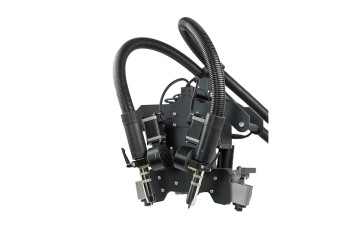 DW-EW-II Dual Torch Pipeline Automatic External Welding Machine
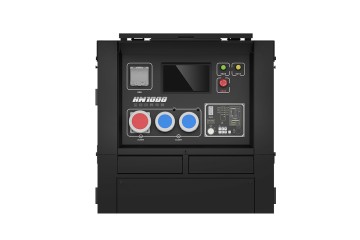 HW1000 Constant Speed Engine Driven Welding Machine
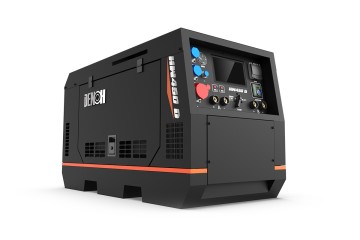 HW450D Engine Welding Machine
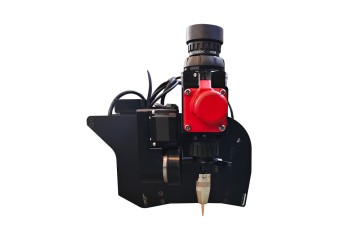 DW-XW-I Pipeline Single Torch Automatic Welding Robot
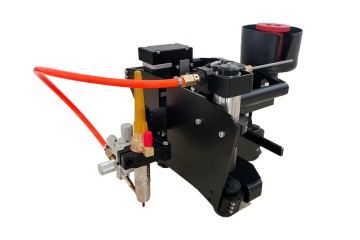 DW-TW-I Argon Arc Pipeline Automatic Welding Machine
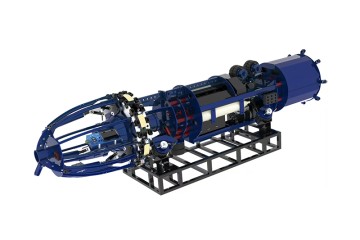 DW-EH Series Fully Automatic Battery Flexible Internal Welding Machine
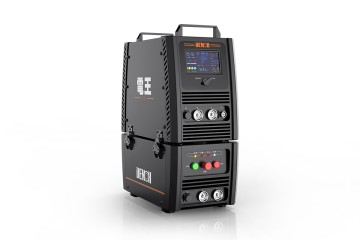 HW500E Multi-Function Engine Driven Welding Machine
Understanding the intricacies of TIG Mig Welding For Green Battery-powered Zero-emission Internal Pipe Welding requires a look at the power electronics. Unlike traditional welders that transform AC power from the grid or a generator, battery-powered systems utilize DC-to-DC converters. This allows for an extremely stable arc, which is the holy grail for high-quality welding.
Internal welding presents unique challenges: heat dissipation is difficult, and space is at a premium. Our battery-powered units utilize advanced liquid cooling systems that are integrated into the machine's chassis. This ensures that even during high-duty cycle MIG welding, the internal components remain within safe operating temperatures. The zero-emission nature of these machines also means there is no buildup of toxic exhaust gases inside the pipe, which not only protects the equipment but also simplifies the ventilation requirements for the entire project.
While the initial capital expenditure for battery-powered welding systems may be higher than traditional diesel units, the total cost of ownership (TCO) is significantly lower. Savings are realized through:
The integration of TIG and MIG processes into battery-powered internal welding systems represents the pinnacle of modern engineering. By combining the precision of TIG, the speed of MIG, and the sustainability of battery power, we are providing the industry with the tools needed to build a greener future. Whether it’s a cross-continental gas line or a municipal water project, our zero-emission solutions ensure that the infrastructure of tomorrow is built with the highest quality and the lowest environmental impact.
Equipped with independently developed core patented technologies, our products feature outstanding advantages such as high efficiency, energy saving, precise welding, stable operation, durability and strong adaptability to harsh field and complex engineering conditions. We hold multiple independent intellectual property patents and have obtained a number of national and international authoritative industry certifications, which fully affirm our technical strength and product quality.