

The Critical Role of MIG, TIG, and Gas Shielding in Modern Pipeline Engineering
In the rapidly evolving landscape of global energy transportation, the demand for large-diameter high-grade steel pipelines has reached unprecedented heights. As pipelines stretch across continents, traversing harsh terrains and deep oceans, the integrity of every joint becomes a matter of national security and environmental safety. The integration of MIG (Metal Inert Gas), TIG (Tungsten Inert Gas), and specialized shielding gas technologies represents the pinnacle of modern joining science.
MIG/MAG: The Workhorse of High-Efficiency Joining
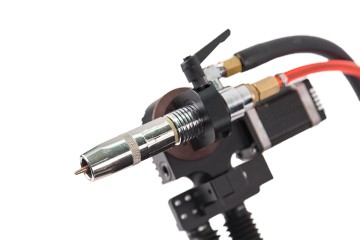
MIG (Metal Inert Gas) or MAG (Metal Active Gas) welding is the primary choice for filling and capping passes in large-diameter pipeline construction. Its ability to provide continuous wire feed makes it significantly faster than traditional stick welding. For pipelines exceeding 40 inches in diameter, the time saved per joint translates into millions of dollars in project efficiency. Modern MIG systems utilize pulsed current to control metal transfer, reducing spatter and ensuring a clean, uniform bead even in vertical-down or overhead positions.
TIG: Precision Engineering for the Root Pass
While MIG handles the bulk, TIG (Tungsten Inert Gas) remains the gold standard for the critical root pass. In high-grade steel joining, the root pass must be flawless to prevent hydrogen-induced cracking and ensure a smooth internal profile that doesn't impede flow or catch "pigs" during maintenance. TIG's concentrated heat source allows for deep penetration and meticulous control over the weld pool, creating a robust foundation for subsequent MIG layers.
Industrial Status: The Shift Toward Full Automation
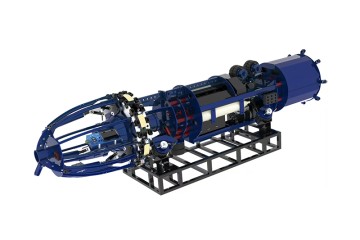
The global pipeline industry is currently undergoing a paradigm shift. Traditional manual welding is being phased out in favor of fully automatic internal and external welding systems. This transition is driven by three main factors: the shortage of highly skilled manual welders, the increasing complexity of high-grade steel metallurgy, and the stringent quality requirements of modern regulatory bodies.
Current industrial data suggests that automatic systems using MIG/TIG processes can achieve a pass rate of over 98% on first-time ultrasonic testing (AUT). This reliability is essential for projects like the Power of Siberia or the East African Crude Oil Pipeline, where environmental conditions make repairs nearly impossible.
Advanced Gas Shielding: The Invisible Protector
The "Gas" in Mig/Tig is more than just a shield; it's a metallurgical tool. For high-grade steels, a precise mixture of Argon, CO2, and sometimes Helium is used to stabilize the arc and influence the chemical composition of the weld metal. In large-diameter pipelines, maintaining gas coverage in windy outdoor environments is a major challenge, leading to the development of sophisticated "gas tents" and specialized nozzles integrated into automatic welding bugs.
Deep Application Scenarios: Beyond the Surface
The application of these technologies isn't limited to standard flat-land construction. We are seeing deep integration in:
- Arctic & Sub-Zero Environments: Where high-grade steel becomes brittle, MIG/TIG processes are optimized to provide specific heat inputs that preserve the toughness of the Heat Affected Zone (HAZ).
- Offshore S-Lay & J-Lay: On pipe-lay vessels, speed is everything. Multi-torch MIG systems work in tandem to complete a joint in minutes as the ship moves forward.
- Hydrogen-Ready Pipelines: As the world moves toward green energy, new pipelines must be "hydrogen-ready." This requires even tighter control over weld porosity and microstructure, pushing MIG/TIG technology to new limits of precision.
Future Development: AI and Machine Learning
The next frontier for Mig Tig Gas joining is the integration of Artificial Intelligence. Future systems will feature real-time seam tracking and adaptive control, where the machine automatically adjusts its parameters based on the gap width or pipe misalignment it senses via laser scanners. This "smart welding" will further reduce the margin for human error and ensure the longevity of high-grade steel infrastructures for the next 50 to 100 years.