

Leave Your Message
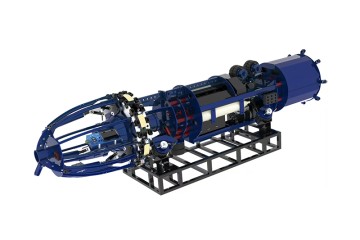 DW-EH Series Fully Automatic Battery Flexible Internal Welding Machine for Philippines Long-Distance Pipeline
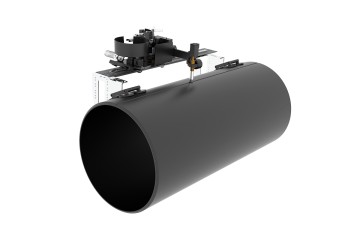 DW-BW-I Sleeve Type Pipeline Automatic Welding Machine | Specialized for Philippine Infrastructure
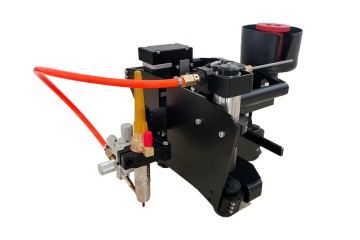 DW-TW-I Argon Arc Pipeline Automatic Welding Machine | High-Precision for Davao Gas Projects
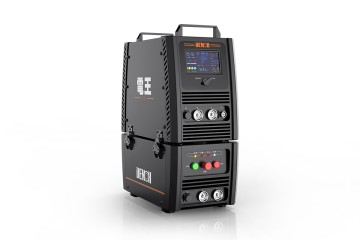 HW500E Multi-Function Diesel Welder Generator | Robust Power for Remote Luzon Construction
The Philippines is currently undergoing a massive infrastructure transformation. Under the "Build, Better, More" (BBM) program, the nation is prioritizing the development of energy pipelines, water distribution networks, and transportation systems. As a leading China Rail-Less Welding Machine Supplier, we recognize that the Philippine market demands equipment that can handle unique challenges: high humidity, tropical terrain, and the need for rapid deployment.
Traditional manual welding is no longer sufficient for the scale of modern Filipino projects. Whether it is the expansion of natural gas lines in Batangas or the critical water supply projects in Metro Manila and Cebu, the industry is shifting toward automation. Our rail-less welding technology offers a revolutionary approach, eliminating the need for bulky track systems and allowing for faster setup and more consistent weld quality in the field.
Philippine Industrial Trend: The local construction sector is increasingly adopting AI-assisted and robotic welding solutions to mitigate the shortage of highly skilled manual welders and to meet the stringent international safety standards required for oil and gas projects.
For Philippine contractors, the "rail-less" feature is a game-changer. Unlike traditional automatic welders that require a fixed track to be installed around the pipe, our machines use advanced magnetic or friction-based tracking systems. This reduces labor costs significantly and minimizes the margin for human error, which is vital for the integrity of high-pressure pipelines traversing the Philippine archipelago.
In congested areas like Metro Manila, space is at a premium. Our compact rail-less machines allow for pipeline repairs and installations in narrow trenches where traditional track-based systems would never fit.
For the critical energy hubs in Batangas and Palawan, weld integrity is non-negotiable. Our automatic external and internal welders provide X-ray quality seams that meet the highest global standards (API 1104).
The Philippines is a world leader in geothermal energy. Our equipment is designed to withstand the rugged, mountainous terrain of Leyte and Negros, providing reliable performance in high-temperature environments.
The Philippine archipelago's geography necessitates equipment that is not only advanced but also portable. Our battery-powered flexible internal welding machines are specifically designed for long-distance pipeline construction where power access might be inconsistent. This autonomy is crucial for projects in Mindanao and other developing regions where infrastructure is being built from the ground up.
With more than 20 years of deep cultivation and continuous innovation in the pipeline welding industry, we have forged a solid industry foundation and built an unshakable market position through decades of practical experience and technological breakthroughs.
DENOH Seimitsu Electric Appliance (Beijing) Co., Ltd. is a professional high-tech enterprise integrating independent R&D, sophisticated manufacturing, global sales and full-process professional services of high-end pipeline welding equipment. Over the past 20-plus years, we have kept pace with the development of the global pipeline engineering industry, constantly optimizing technical solutions and upgrading product systems, witnessing and promoting the iterative upgrading of pipeline welding equipment technology.
The core strength of the company lies in its professional and elite team composed of senior industry experts, professional R&D engineers, skilled technical workers and efficient service personnel. Our R&D team gathers backbones with decades of experience in pipeline welding equipment research and development, many of whom have participated in the research and development of key national engineering supporting welding equipment and possess profound theoretical knowledge and rich practical experience.
Relying on the team's professional strength, we have been committed to tackling key technical problems in the pipeline welding field, breaking through foreign technical monopolies in many core technologies, and realizing the independent innovation and localization of high-end pipeline welding equipment. Meanwhile, our production, sales and service teams have been carefully trained and selected, with rich industry experience and strong professional capabilities, forming a collaborative and efficient working system from R&D and production to market sales and after-sales service.
As we look toward 2025 and beyond, the Philippines is expected to integrate more "Industry 4.0" concepts into its construction sector. This includes the use of IoT-enabled welding machines that can transmit real-time data to project managers in Manila from remote sites in the Visayas. Our machines are ready for this digital leap, featuring data logging capabilities that ensure every weld is documented for quality assurance.
Sustainability is another growing trend. The shift toward diesel welder generators with higher fuel efficiency and lower emissions aligns with the Philippine government's commitment to greener construction practices. Our HW series generators are optimized for this, providing high output with minimal environmental footprint.
Finally, the localization of technical support is becoming a priority. As a dedicated partner to the Philippine market, we emphasize not just the sale of equipment, but the training of local Filipino operators. By empowering the local workforce with automated technology, we help bridge the skill gap and ensure the long-term success of the nation's infrastructure goals.
DW-EH Series Fully Automatic Battery Internal Welder
DW-BW-I Sleeve Type Pipeline Automatic Welder
DW-TW-I Argon Arc Pipeline Automatic Welder
HW500E Multi-Function Diesel Welder Generator
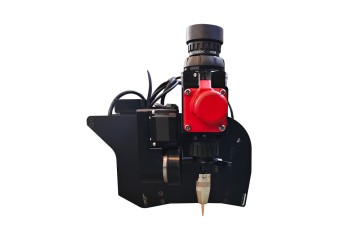 DW-XW-I Single Torch Automatic Welding Robot
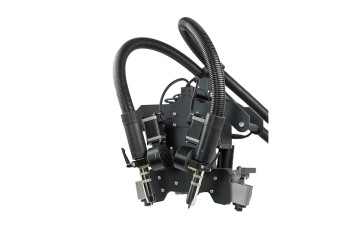 DW-EW-II Dual Torch Pipeline External Welder
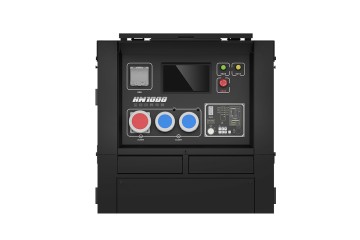 HW1000 Constant Speed Diesel Welder Generator
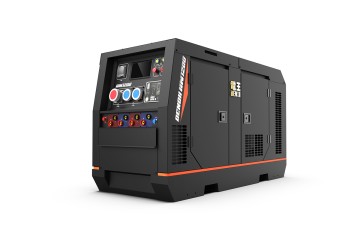 HW1200 Four-Arc Diesel Welder Generator