Leave Your Message
Discover our leading multi-station engine-driven welder generators and automatic orbital welding machines engineered to optimize pipeline laying efficiency in Thailand's demanding industrial corridors.
With more than 20 years of deep cultivation and continuous innovation in the pipeline welding industry, we have forged a solid industry foundation and built an unshakable market position through decades of practical experience and technological breakthroughs. Over the past 20-plus years, we have kept pace with the development of the global pipeline engineering industry, constantly optimizing technical solutions and upgrading product systems, witnessing and promoting the iterative upgrading of pipeline welding equipment technology.
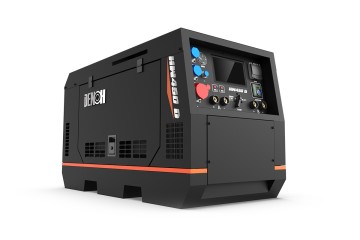
Today, as Thailand positions itself as the logistics and energy hub of Southeast Asia, DENOH is proud to deliver state-of-the-art multi-operator (up to 4 people welding simultaneously) and automatic pipeline welding systems. Our machinery is engineered to meet the extreme environmental challenges of the Thai market, including tropical monsoons, high humidity, and remote inland terrains, ensuring consistent arc stability and high-deposition welding performance.
Understanding the unique market dynamics of the Eastern Economic Corridor (EEC) and cross-border energy infrastructure.
Thailand's industrial sector is experiencing a rapid transformation, driven by massive investments in infrastructure, oil and gas pipelines, and refinery expansions. Key projects like the expansion of the PTT gas transmission network, the Map Ta Phut petrochemical complex, and various cross-country water and fuel pipeline grids require high-efficiency, heavy-duty welding equipment. Traditionally, contractors deployed multiple single-operator diesel welder generators, which led to high fuel consumption, massive logistical footprints, and increased maintenance overheads.
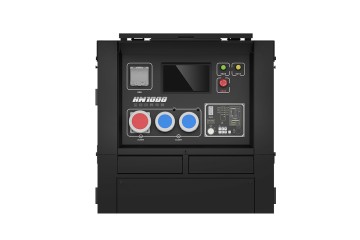
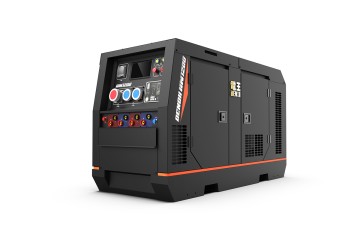
The introduction of 4-people welding systems (multi-operator engine-driven welder generators like the HW1200 series) has revolutionized job sites across Thailand. By allowing up to four operators to weld independently using SMAW (Stick), GTAW (TIG), FCAW (Flux-Cored), or GMAW (MIG) processes from a single engine, contractors can reduce fuel consumption by up to 40% and drastically shrink the equipment footprint on narrow pipeline rights-of-way (ROW).
The Eastern Economic Corridor (Chonburi, Rayong, and Chachoengsao) demands fast, high-quality fabrication of pressure vessels, storage tanks, and structural steel. Multi-operator welders provide the flexibility needed for large-scale construction sites.
Laying long-distance oil and gas transmission pipelines through Thailand’s agricultural and mountainous terrains requires equipment that can withstand high temperatures and muddy conditions while maintaining flawless X-ray quality welds.
With Thailand pushing for carbon reduction, utilizing a single low-emission diesel engine to power four welding arcs significantly lowers the carbon footprint compared to running four separate engine-driven units.
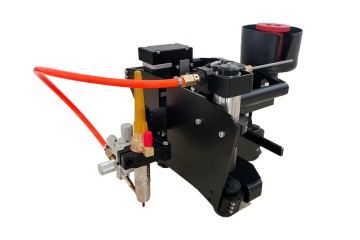
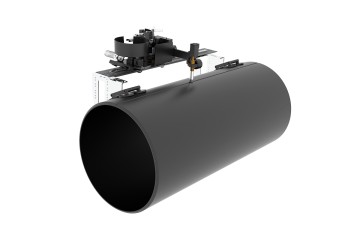
As skilled labor costs rise, automatic external pipeline welding systems (like the DW-EW-II and DW-EW-I) ensure consistent weld profile, high speed, and minimal repair rates, complying with stringent API 1104 standards.
"Deploying DENOH's multi-arc diesel welder generators in Thailand's industrial zones has allowed contractors to double their daily pipeline joint completion rate while cutting fuel logistics in half."
How advanced welding technology addresses labor shortages and strict international quality standards.
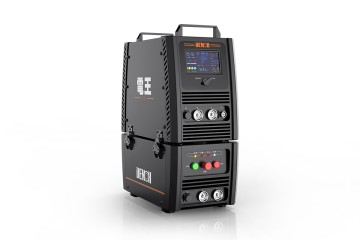
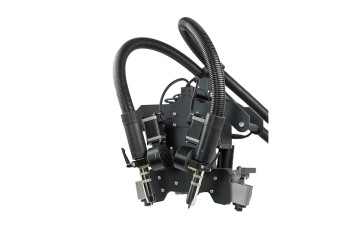
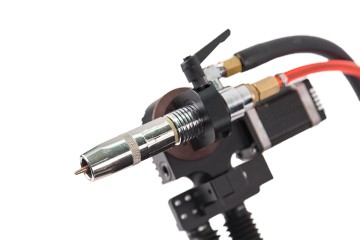
Thailand's oil and gas operators (such as PTT, EGAT, and private petrochemical giants) are continuously raising the bar for weld quality. Manual welding is increasingly being replaced by semi-automatic and fully automatic orbital welding systems. Automatic systems like the DW-EW-II Dual Torch Pipeline Automatic External Welding Machine provide uniform penetration and high-speed filling, which is critical for thick-walled high-grade steel pipes (up to X80 or X100 grade).
Moreover, in coastal areas like Rayong and Songkhla, offshore pipeline tie-ins and repair jobs require highly specialized equipment that can deliver exceptional arc stability under windy, humid marine environments. DENOH’s constant-speed engine-driven systems ensure that voltage fluctuations are virtually eliminated, providing the welder with absolute control over the molten pool.
The core strength of the company lies in its professional and elite team composed of senior industry experts, professional R&D engineers, skilled technical workers and efficient service personnel. Our R&D team gathers backbones with decades of experience in pipeline welding equipment research and development, many of whom have participated in the research and development of key national engineering supporting welding equipment and possess profound theoretical knowledge and rich practical experience.
Relying on the team's professional strength, we have been committed to tackling key technical problems in the pipeline welding field, breaking through foreign technical monopolies in many core technologies, and realizing the independent innovation and localization of high-end pipeline welding equipment. Meanwhile, our production, sales and service teams have been carefully trained and selected, with rich industry experience and strong professional capabilities, forming a collaborative and efficient working system from R&D and production to market sales and after-sales service.
For the Thai market, our engineering team provides tailored support, including customized machine enclosures to handle extreme tropical downpours (IP23 and above protection ratings), specialized cooling systems for continuous operation in 45°C ambient temperatures, and on-site technical training for local Thai welding operators to ensure seamless integration of our automatic welding systems.
Explore our full line of engine-driven diesel welder generators and automatic orbital pipeline welding machines.