

Leave Your Message
As Nigeria accelerates its industrial growth, natural gas distribution, and oil refining capabilities, the demand for highly efficient, multi-operator, and automated pipeline welding systems has reached unprecedented levels. Below are our premier industrial welding solutions engineered to meet the rugged demands of onshore and offshore projects across Nigeria.
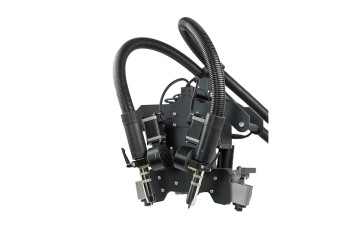
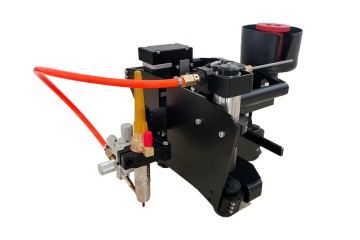
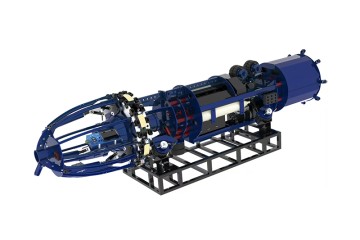
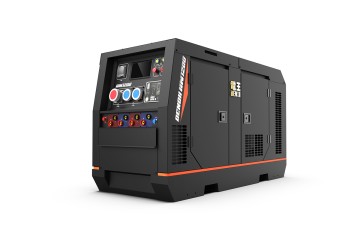
Nigeria remains one of the largest energy hubs in Africa, characterized by massive onshore and offshore oil reserves, expanding natural gas pipeline projects, and a surging industrial manufacturing sector. Major national infrastructure projects—such as the Ajaokuta-Kaduna-Kano (AKK) Gas Pipeline, the expansion of the Escravos-Lagos Pipeline System (ELPS), and the massive fabrication demands of the Lekki Free Zone and Dangote Refinery—require state-of-the-art welding machinery.
In these highly demanding environments, pipeline construction contractors face distinct challenges: remote geographical locations in the Niger Delta swamps, harsh atmospheric conditions including high humidity and salinity, and the critical need to maintain absolute weld integrity to prevent leaks. The transition from manual stick welding to automated, multi-operator (such as 4 people welding setups) and robotic systems is not just a trend; it is a structural necessity to meet timeline demands, lower operating costs, and adhere to international quality standards like API 1104.
In the remote oilfields of Port Harcourt, Warri, and the northern gas transit routes, logistics are incredibly complex. Transporting multiple single-operator welding machines, separate generators, and heavy fuel tanks to the field increases overhead and potential points of failure.
This is where our multi-operator systems, specifically the HW1200 Four-Arc Engine Driven Welding Machine, shine. By allowing four welders to operate simultaneously from a single diesel-driven unit, contractors in Nigeria can dramatically reduce their transport footprint, cut fuel consumption by up to 30%, and streamline maintenance schedules. This "4 People Welding" configuration ensures that pipeline joint welding progresses at four times the speed, maximizing daily output.
DENOH's high-end pipeline welding equipment is engineered to adapt to the specific geographic and technical landscapes of Nigeria. Here is how our machinery performs in real-world local applications:
Onshore pipeline laying in the swampy terrains of the Delta requires highly mobile, weather-resistant equipment. Our engine-driven diesel welders feature ruggedized, IP-rated enclosures that withstand high humidity, heavy rainfall, and corrosive salty air.
For long-distance gas transmission lines traversing hot and dusty environments, the DW-EH Series Fully Automatic Battery Flexible Internal Welding Machine provides self-powered, dust-proof internal alignment and root welding, preventing contamination and ensuring perfect joint penetration.
In heavy industrial zones like Lekki, Lagos, our DW-TW-I Argon Arc and DW-BW-I Sleeve Type automatic welding machines deliver high-efficiency, defect-free welds on complex pipe spools, manifolds, and pressure vessels, meeting stringent regulatory codes.
When selecting pipeline welding machinery for projects in Nigeria, prioritize dual-torch external systems and multi-arc engine generators. These technologies directly mitigate the local challenges of skilled labor shortages and high fuel costs, while delivering the high-speed deposition rates required for fast-track projects.
The Nigerian oil, gas, and water pipeline industries are undergoing a massive technological shift. The traditional manual Shielded Metal Arc Welding (SMAW) method is rapidly being replaced by semi-automatic and fully automatic Gas Metal Arc Welding (GMAW) and Flux-Cored Arc Welding (FCAW) systems. This transition is driven by three main factors:
1. Stringent Quality Inspections: Non-Destructive Testing (NDT), including ultrasonic and radiographic testing, is now standard for all major pipelines in Nigeria. Automatic welding machines like the DW-EW-II dramatically reduce human error, achieving repair rates of less than 1%, compared to manual welding which often suffers from high defect rates in challenging field conditions.
2. Local Content Development: With the Nigerian Oil and Gas Industry Content Development (NOGICD) Act, there is a strong emphasis on training local Nigerian welders on advanced technological tools. Automated systems lower the physical learning curve while raising the technical capability of the local workforce, enabling them to operate high-tech welding robots.
3. Environmental and Safety Standards: Modern projects demand lower emissions and safer job sites. Battery-flexible internal welders and integrated multi-arc diesel generators reduce carbon footprints and minimize cable clutter on-site, significantly enhancing field safety.
With more than 20 years of deep cultivation and continuous innovation in the pipeline welding industry, we have forged a solid industry foundation and built an unshakable market position through decades of practical experience and technological breakthroughs.
Over the past 20-plus years, we have kept pace with the development of the global pipeline engineering industry, constantly optimizing technical solutions and upgrading product systems, witnessing and promoting the iterative upgrading of pipeline welding equipment technology.
The core strength of the company lies in its professional and elite team composed of senior industry experts, professional R&D engineers, skilled technical workers and efficient service personnel. Our R&D team gathers backbones with decades of experience in pipeline welding equipment research and development, many of whom have participated in the research and development of key national engineering supporting welding equipment and possess profound theoretical knowledge and rich practical experience.
Relying on the team's professional strength, we have been committed to tackling key technical problems in the pipeline welding field, breaking through foreign technical monopolies in many core technologies, and realizing the independent innovation and localization of high-end pipeline welding equipment.
Meanwhile, our production, sales and service teams have been carefully trained and selected, with rich industry experience and strong professional capabilities, forming a collaborative and efficient working system from R&D and production to market sales and after-sales service. We ensure that our clients in Nigeria receive top-tier technical support, spare parts availability, and comprehensive operator training to keep pipeline projects running smoothly.
Explore our comprehensive line of automatic welding machines, diesel generators, and robotic systems designed to optimize pipeline construction efficiency across Nigeria.
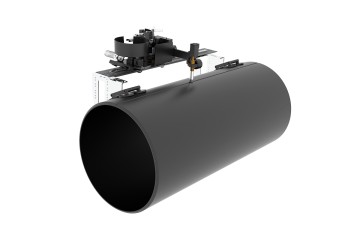
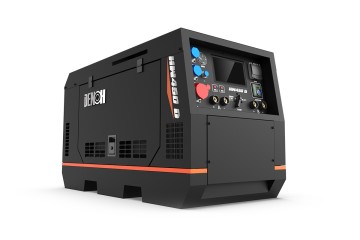
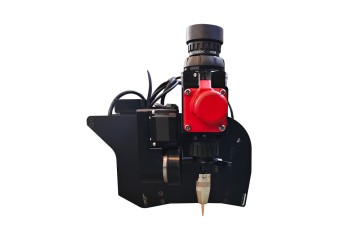
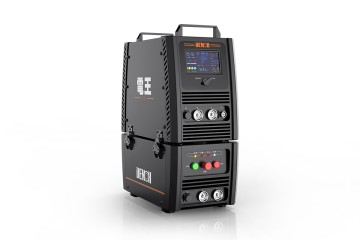
From high-efficiency multi-arc generators designed for 4-person simultaneous operations to highly sophisticated orbital welding robots, DENOH provides the technological edge required for Nigeria's expanding infrastructure. Partner with us to achieve unmatched weld quality, speed, and reliability on your next project.