

Leave Your Message
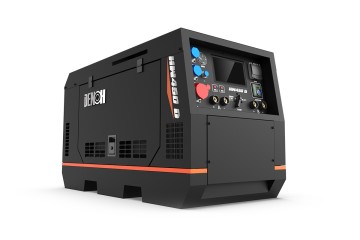 HW450D Engine Welding Machine
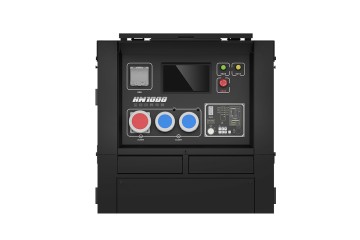 HW1000 Constant Speed Engine Driven Welding Machine | Multi-Function Diesel Welder Generator for Pipeline
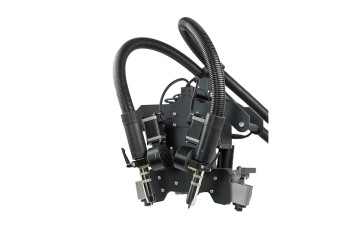 DW-EW-II Dual Torch Pipeline Automatic External Welding Machine | Automatic Welding Equipment for Pipeline
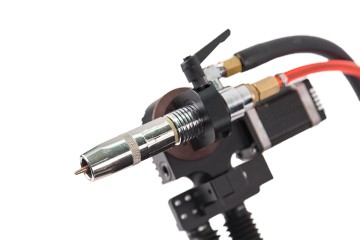 (DW-EW-I) Single Torch Pipeline Automatic External Welding Machine | DENOH Oil and Gas Pipeline Welding Equipment
In the modern era of industrial expansion, the concept of 4 People Welding For Heavy-duty Construction Site Autonomous Field Welding represents a paradigm shift in how large-scale infrastructure projects are executed. Gone are the days of purely manual labor in hazardous environments. Today, the integration of autonomous systems with a highly skilled four-person team—typically consisting of a Lead Operator, a System Technician, a Quality Control Specialist, and a Support Engineer—ensures unparalleled precision in the field.
Heavy-duty construction sites, particularly in the oil, gas, and renewable energy sectors, demand a level of weld integrity that manual processes alone can struggle to maintain consistently over thousands of kilometers. Autonomous field welding technology, powered by advanced engine-driven generators like the HW1200, provides the stable power and intelligent control required to operate multiple arcs simultaneously. This synergy between human oversight and robotic precision minimizes defects and maximizes the speed of pipeline layup.
Whether it is the frozen tundras of the Arctic or the scorching deserts of the Middle East, autonomous welding systems are designed to withstand extreme thermal fluctuations. By utilizing a 4-person team structure, companies can rotate specialized staff to maintain 24/7 operations, significantly reducing the "Time-to-Completion" for critical national infrastructure.
DENOH Seimitsu Electric Appliance (Beijing) Co., Ltd. is a professional high-tech enterprise integrating independent R&D, sophisticated manufacturing, global sales and full-process professional services of high-end pipeline welding equipment. With more than 20 years of deep cultivation and continuous innovation in the pipeline welding industry, we have forged a solid industry foundation and built an unshakable market position through decades of practical experience and technological breakthroughs.
The current trend in Autonomous Field Welding is the move toward "Smart Welding Ecosystems." These systems don't just weld; they collect data. Every pass of the DW-XW-I Pipeline Single Torch Automatic Welding Robot is recorded, analyzed, and stored in the cloud. This allows the 4-person team to monitor real-time parameters such as heat input, travel speed, and gas flow from a remote, safe distance.
Industrial AI now allows for real-time seam tracking and adaptive control. If the system detects a slight deviation in the pipe bevel, the autonomous robot adjusts its oscillation and wire feed speed instantly. This reduces the reliance on the welder's physical stamina and shifts the focus to technical management. The commercial impact is profound: a reduction in rework rates from an industry average of 5% down to less than 1%.
Modern equipment like the HW1200 Four-Arc Engine Driven Welding Machine allows for simultaneous operation by multiple robotic torches. This massive increase in deposition rate is what defines the "Heavy-duty" aspect of modern construction sites, enabling the 4-person crew to output the work of a traditional 12-person manual crew.
In projects spanning thousands of miles, the DW-EH Series Fully Automatic Battery Flexible Internal Welding Machine is indispensable. The internal welding setup provides the initial root pass with perfect penetration, while the 4-person field team manages the external autonomous robots (like the DW-EW-II) for fill and cap passes. This "inside-out" approach ensures the highest structural integrity for high-pressure gas lines.
Space is a premium on offshore barges. The compact yet powerful nature of multi-function diesel welder generators allows for a smaller footprint. The autonomous robots can operate in tight spaces where human welders would face significant safety risks and ergonomic challenges.
In congested urban environments, speed is essential to minimize public disruption. Autonomous field welding allows for rapid "night-shift" operations where the 4-person team can set up, weld, and move the station with surgical precision, ensuring roads are reopened by morning.
The core strength of the company lies in its professional and elite team composed of senior industry experts, professional R&D engineers, skilled technical workers and efficient service personnel. Our R&D team gathers backbones with decades of experience in pipeline welding equipment research and development, many of whom have participated in the research and development of key national engineering supporting welding equipment and possess profound theoretical knowledge and rich practical experience.
Relying on the team's professional strength, we have been committed to tackling key technical problems in the pipeline welding field, breaking through foreign technical monopolies in many core technologies, and realizing the independent innovation and localization of high-end pipeline welding equipment.
Investing in Autonomous Field Welding is not just a technological upgrade; it is a financial strategy. The initial capital expenditure for equipment like the HW1000 or DW-EW-II is offset by the drastic reduction in labor costs and the elimination of human-error-related rework. For a typical heavy-duty construction site, the ROI is realized within the first 12-18 months of operation.
HW450D Engine Welding Machine
HW1000 Constant Speed Engine Driven Welding Machine | Multi-Function Diesel Welder Generator for Pipeline
DW-EW-II Dual Torch Pipeline Automatic External Welding Machine | Automatic Welding Equipment for Pipeline
(DW-EW-I) Single Torch Pipeline Automatic External Welding Machine | DENOH Oil and Gas Pipeline Welding Equipment
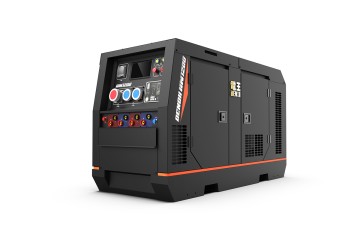 HW1200 Four-Arc Engine Driven Welding Machine | Multi-Function Diesel Welder Generator for Pipeline
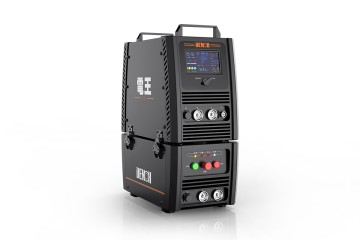 HW500E Multi-Function Engine Driven Welding Machine | Multi-Function Diesel Welder Generator for Pipeline
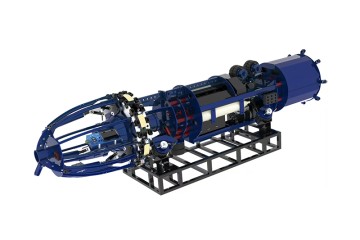 DW-EH Series Fully Automatic Battery Flexible Internal Welding Machine for Oil and Gas Long Distance Pipeline Construction
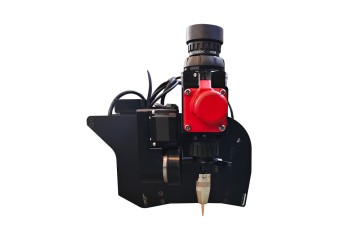 DW-XW-I Pipeline Single Torch Automatic Welding Robot | Automatic Welding Equipment for Pipeline